Մեքսիկայում տուն գնելը կարող է բավականին պարզ գործընթաց լինել, բայց դա առանց պոտենցիալ անակնկալների չէ, հատկապես, երբ խոսքը գնում է փակման և հարակից ծախսերի մասին:
Շատ օտարերկրյա գնորդների համար վերջնական գումարը, որը նրանք վճարում են փակման ժամանակ, ավարտվում է սպասվածից ավելի բարձր, պարզապես այն պատճառով, որ նրանք չեն նախատեսել բոլոր մանրամասները, որոնք վերաբերում են այստեղ տուն գնելուն: Այդ ծախսերը նախապես հասկանալը կարող է գործընթացը դարձնել ավելի քիչ սթրեսային և օգնել ձեզ ավելի լավ ֆինանսական որոշումներ կայացնել:
Փակման ծախսեր. Ինչ սպասել
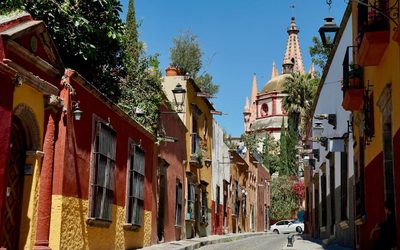
Սան Միգել դե Ալյենդեում փակման ծախսերը (պատկերված այստեղ) կարող են նույնը չլինել, ինչ Մեքսիկայի այլ ուղղություններում: (Unsplash/Ջեֆ Բուրակ)
Փակման ծախսերը սովորաբար ավելի բարձր են Մեքսիկայում, քան Միացյալ Նահանգներում և կարող են տարբեր լինել՝ կախված նրանից, թե որտեղ եք գնում: Սան Միգել դե Ալյենդեում, օրինակ, դրանք սովորաբար տատանվում են գնման գնի 5%-ից 6%-ի սահմաններում, սակայն Քերետարոյի համար, որը աշխարհագրորեն հազիվ մեկ ժամ հեռավորության վրա է, տոկոսները հակված են ավելի բարձրանալ՝ մոտ 8%-ի:
Այս գումարները չեն ներառում վարկի ծագման որևէ վճար, որը գնորդը կարող է վճարել գնումը ֆինանսավորելիս: Օրինակ, եթե դուք օգտագործում եքԱՄՆ-ի ոճով հիփոթեքային վարկ օտարերկրյա գնորդների մեջ մասնագիտացած վարկատուից, բացի կանոնավոր փակման ծախսերից, կարող է ծագման վճար լինել: Դա նշանակում է, որ ձեր ընդհանուր ծախսերը կարող են աճել մինչև անշարժ գույքի գնի մոտ 8%-ը կամ 9%-ը:
Գնորդները պատասխանատու են Մեքսիկայում փակման բոլոր ծախսերի համար, մինչդեռ վաճառողները սովորաբար վճարում են անշարժ գույքի հանձնաժողովը: Ծախսերի այս բաժանումը ստանդարտ պրակտիկա է ողջ երկրում:
Ինչ է ներառված Մեքսիկայում անշարժ գույքի փակման ծախսերում
Փակման ծախսերը սովորաբար ներառում են երեք հիմնական կատեգորիաներ.
Ձեռքբերման հարկ. Պետական հարկ, որը գանձվում է, երբ գույքը փոխում է սեփականության իրավունքը: Սա նման է այլ երկրներում տրանսֆերտային հարկին կամ դրոշմանիշային տուրքին:
Նոտարական վճարներ. Մեքսիկայում անշարժ գույքի հետ կապված բոլոր գործարքները պետք է ձեւակերպվեն նոտարի մոտ (notario público): Նոտարական գրասենյակը ստուգում է տիտղոսը, վերահսկում է օրինական փոխանցումը, գանձում է հարկերը և գրանցում է վաճառքը կառավարությանը: Վճարները մի փոքր տարբերվում են ըստ նոտարների, բայց դրանք ընդհանուր առմամբ համահունչ են տարածաշրջանում:
Նոտարական վճարները Մեքսիկայում անշարժ գույքի ցանկացած գործարքի մաս են կազմում: (Մեխիկոյի նոտարների քոլեջ)
Իրավաբանական վճարներ. Շատ գնորդներ նաև վճարում են առաջատար փաստաբանի վճար, որն ընդգրկում է տիտղոսային փաստաթղթերի իրավական ստուգումը, պատշաճ ջանասիրությունը և վարչական վճարները փաստաբանի ժամանակի համար՝ նոտարի, գնորդի և վաճառողի միջև համակարգելու համար:
Այս ծախսերը սովորաբար միավորվում են փակման ժամանակ ձեր վերջնական հայտարարության մեջ, ուստի կարևոր է ուշադիր վերանայել բաշխումը: Տվյալ տարածաշրջանի նոտարների և փաստաբանների մեծ մասը հետևում է վճարների նմանատիպ կառուցվածքին, ուստի նորմայից զգալի տատանումները պետք է բարձրացնեն կարմիր դրոշը: Իրավասու ռիելթորը պետք է կարողանա ձեզ լավ պատկերացում տալ, թե որն է ձեր տարածքի նորմը:
Գնի շուրջ բանակցություններ
Մեքսիկայում տների գները հաճախ սակարկելի են, և ձեր անշարժ գույքի գործակալը կարող է օգնել ձեզ բանակցություններում: Սովորական է տեսնել վաճառքի վերջնական գները 5% (կամ գուցե մի փոքր ավելի) ցածր նախնական պահանջվող գնից՝ կախված շուկայական պայմաններից, գույքի տարիքից և վաճառողի մոտիվացիայից:
Շուկան հասկացող տեղական գործակալի հետ աշխատելը կարող է օգնել ձեզ որոշել, թե ինչն է խելամիտ առաջարկել: Թեև շատ տարածքներում սակարկությունների պատերազմները հազվադեպ են, ցանկալի տները, հատկապես հայտնի վայրերում, դեռևս կարող են գրավել բազմաթիվ գնորդների, ուստի ճկունությունը կարևոր է:
Կահավորված կամ բանտապահ տներ
Շատ օտարերկրյա գնորդների համար հաճելի անակնկալ է այն, որ Մեքսիկայում տները հաճախ վաճառվում են կահավորված, կամ նույնիսկ բանտապահ, ինչը նշանակում է, որ նրանք գալիս են լիովին կահավորված և պատրաստ են տեղափոխվելու համար: «Բանապահով» սովորաբար նշանակում է, որ ներառված է ամեն ինչ՝ կահույք, տեխնիկա, խոհանոցային պարագաներ և երբեմն նույնիսկ արվեստի գործեր և սպիտակեղեն: Հնարավոր է, որ ձեզ անհրաժեշտ լինի միայն հանել ձեր հագուստը և ատամի խոզանակը, նախքան տեղավորվելը:
Դա կարող է իսկական առավելություն լինել արտերկրից տեղափոխվող գնորդների համար, քանի որ մեկ այլ երկրում տան կահավորումն ու կահավորումը կարող է ժամանակ և ջանք խլել: Այնուամենայնիվ, միշտ խելամիտ է գրավոր հաստատել, թե կոնկրետ ինչ է ներառված: Որոշ վաճառողներ նախքան փակելը տանից հեռացնում են անձնական իրերը կամ ժառանգությունները, այնպես որ համոզվեք, որ ձեր գնման պայմանագրում հստակ նշված է, թե ինչ է մնում գույքի հետ:
Եթե դուք գնում եք չկահավորված տուն կամ պարզապես ցանկանում եք ձեզ հետ բերել ձեր իրերից մի քանիսը, ապա Մեքսիկան վերջին վիզա ունեցող օտարերկրացիներին թույլ է տալիս մեկանգամյա թույլտվություն՝ ներմուծել իրենց անձնական իրերը՝ առանց
Buying a home in Mexico can be a reasonably straightforward process, but it’s not without potential surprises — especially when it comes to closing costs and related expenses.
For many foreign buyers, the final amount they pay at closing ends up higher than expected simply because they didn’t budget for all the details that go into purchasing a home here. Understanding those costs up front can make the process less stressful and help you make better financial decisions.
Closing costs: What to expect
Closing costs in San Miguel de Allende (pictured here) may not be the same as ones in other destinations in Mexico. (Unsplash/Jeff Burak)
Closing costs are generally higher in Mexico than in the United States and can vary depending on where you buy. In San Miguel de Allende, for example, they typically range between 5% and 6% of the purchase price, but for Querétaro, barely an hour away geographically, the percentages tend to run higher — closer to 8%.
These amounts do not include any loan origination fee a buyer might pay when financing a purchase. For example, if you use a U.S.-style mortgage from a lender specializing in foreign buyers, there may be an origination fee in addition to regular closing costs. That means your total costs could rise to around 8% or 9% of the property’s price.
Buyers are responsible for all closing costs in Mexico, while sellers typically pay the real estate commission. This division of costs is standard practice across the country.
What’s included in closing costs in Mexico for real estate
Closing costs generally cover three main categories:
Acquisition Tax: A government tax charged when a property changes ownership. This is similar to a transfer tax or stamp duty in other countries.
Notary Fees: All real estate transactions in Mexico must be formalized before a notary public (notario público). The notary’s office verifies the title, oversees the legal transfer, collects taxes and registers the sale with the government. Fees vary slightly by notary, but they’re generally consistent within a region.
Notary fees are part of any real estate transaction in Mexico. (Colegio de Notarios de la Ciudad de México)
Legal Fees: Many buyers also pay a lead attorney’s fee, which covers legal review of title documents, due diligence and administrative fees for the attorney’s time in coordinating between the notary, buyer and seller.
These costs are typically bundled into your final statement at closing, so it’s important to review the breakdown carefully. Most notaries and attorneys in a given region follow similar fee structures, so significant variations from the norm should raise a red flag. A competent realtor should be able to give you a good idea of what the norm is for your area.
Negotiating the price
Home prices in Mexico are often negotiable, and your real estate agent can assist you with negotiations. It’s common to see final sale prices come in at 5% (or maybe a little more) below the initial asking price, depending on market conditions, property age and seller motivation.
Working with a local agent who understands the market can help you determine what’s reasonable to offer. While bidding wars are rare in most areas, desirable homes — especially in popular locations — can still attract multiple buyers, so flexibility is key.
Furnished or turnkey homes
One pleasant surprise for many foreign buyers is that homes in Mexico are often sold furnished, or even turnkey, meaning they come fully equipped and ready to move in. “Turnkey” usually means everything is included: furniture, appliances, kitchenware and sometimes even artwork and linens. You might only need to unpack your clothes and toothbrush before settling in.
That can be a real advantage for buyers relocating from abroad, as furnishing and outfitting a home in another country can take time and effort. However, it’s always wise to confirm in writing exactly what’s included. Some sellers remove personal items or heirlooms in a home before closing, so make sure your purchase agreement clearly states what stays with the property.
If you’re buying an unfurnished home — or just want to bring some of your stuff with you — Mexico allows foreigners with a recent visa a one-time permit to import their personal possessions without paying any duties, which means you can also bring items from home with you in the move — even large items like furniture and a car. However, customs agents at the border have complete discretionary authority, so be aware that if they believe any of your items are brand-new, they may insist on charging you import duties on those items.
After the purchase: Property taxes
Mexico does have property taxes, but they are much lower than those in the U.S. and thus easier to calculate. (VYNMSA)
Once you’ve closed, you’ll encounter another pleasant surprise: Property taxes in Mexico are extremely low compared to the United States, Canada or Europe.
In many cities in Mexico, annual property taxes (known as predial) can often be paid online, and the amounts are modest — sometimes only a few hundred dollars a year, depending on the property value and location. This low tax burden is one reason Mexico continues to attract retirees and second-home buyers from abroad.
Still, it’s important to stay current with your payments. Late fees and penalties can add up over time, and unpaid taxes can complicate future sales.
Fideicomisos: What coastal buyers need to know
If you’re purchasing a home near Mexico’s coastline or within 100 kilometers of a foreign border, you’ll need to establish a fideicomiso — a bank trust that holds the title on your behalf.
Under Mexican law, foreigners cannot directly own property in these restricted zones. However, a fideicomiso gives you full control over the property, including the right to sell, lease or pass it on to heirs, who can easily renew the fideicomiso.
According to Christina Larson of Boardwalk Realty in Puerto Vallarta, one of Mexico’s most active coastal real estate markets, where fideicomisos are required, setting up the trust costs around US $2,000, with annual maintenance fees of about $500. This fideicomiso lasts 50 years and can be renewed for another 50 when it expires.
To buy property in restricted areas of Mexico near the coast or border, a fideicomiso, or bank trust, is required. (Baja Properties)
While it adds another step to the process, Larson explained that a fideicomiso is straightforward once you’ve chosen a bank to administer the trust. It’s a well-established system that thousands of foreign homeowners in Puerto Vallarta and other coastal resort cities use without issue.
Renovation and building costs
For buyers interested in renovating an older home — or building one from scratch — costs in Mexico are generally significantly lower than in other parts of North America and Europe. Labor is more affordable, and materials can often be sourced locally.
In most cases, you’ll work with an architect who has his own construction crew. The key is to find someone reputable who understands both your vision and the local building codes.
Renovation projects in Mexico can be rewarding, particularly if you appreciate the country’s architectural styles and craftsmanship.
Why local expertise matters
Real estate markets in expat enclaves in Mexico have often adjusted themselves to suit attractive foreign buyers, so buying in these places may feel rather familiar — especially to Americans and Canadians. But there are still key differences that make it advisable to work with a knowledgeable local realtor.
A local agent can help you: 1) Understand the true costs of purchase, including taxes and fees. 2) Negotiate effectively in the local market. 3) Coordinate with trusted notaries, attorneys and escrow services. 4) Guide you through cultural and procedural differences that might otherwise cause delays or misunderstandings.
Finding a local real estate agent you trust to walk you through the ins and outs of buying a home in Mexico is essential. (MEXLAW)
Mexico’s real estate market operates smoothly when all parties know the rules and communicate clearly, but it’s not identical to systems outside the country. Having the right guidance from the start can save time, money and stress.
Մեկնաբանություններ